
Engineering
Cloud and DevOps for software that has to stay deployable
Traditional servers create surprise downtime and maintenance cost. Cloud and delivery work here is the infrastructure around the product — not a separate marketing cloud.
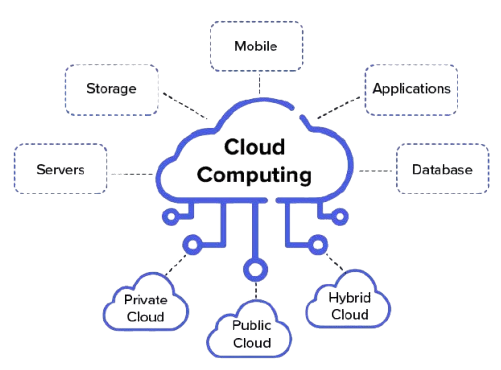
We help plan, migrate, and operate environments on AWS or Azure, including hybrid setups, when that is part of an InnoFeature Labs software engagement.
Problems this work is for
-
Releases that are a weekend event
Production updates are manual, rarely rehearsed, and hard to roll back.
-
Servers nobody wants to own
Hardware and one-off VPS setups create outages and unclear cost.
-
Environments that do not match
Staging is not production, so “it worked on our machine” becomes the release process.
What we deliver
-
Engineering support
Ongoing environment care and server-health monitoring when we are the delivery partner for the application.
-
Consulting and roadmap
Choosing cloud models that match the daily workflow rather than a generic landing-zone diagram.
-
Migration
Moving applications and data with a planned cutover, not a live rewrite on the production box.
-
Hybrid and multi-cloud
AWS, Azure, or a split of the two when lock-in or resilience requires it.
Security and operations
-
Access and server security
Access controls and hardening as part of the environment, not a later add-on slide.
-
Data management
Organised storage and backups aligned with the data-protection rules that apply to the project.
-
Delivery pipelines
Automated deploys so releases follow the same path through staging that Our Process describes.
Who this service is for
-
Teams launching custom software
ERP, CRM, SaaS, or web apps that need a real staging and production path.
-
Products leaving a single server
Applications that have outgrown an unmanaged host.
How this sits in a build
Cloud and DevOps is usually part of a software engagement, not a standalone slogan. The four delivery phases are on Our Process.
Shared delivery rules: Our Process.
-
Discovery
Current hosts, release pain, and what production actually has to survive.
-
Architecture
Environments, secrets, and the pipeline before the first automated deploy.
-
Migration or build-out
Staging that matches production, then a controlled cutover.
-
Operate
Monitoring and a support arrangement if that is scoped.
Related work and next steps
Contextual links only — the same products, industries, and representative work already on the site.
Related products
Questions
What are the benefits of moving from traditional servers to managed cloud services?
Cloud environments reduce on-site hardware maintenance, make capacity easier to change when demand changes, and support a proper staging path. Exact uptime and cost depend on the design, not a generic promise.
How do you handle multi-cloud setups?
When the project needs it, workloads can be split across AWS and Azure so the application is not tied to a single vendor. That is a scoped architecture decision, not a default.
Does migration put live data at risk?
Cutover is planned: isolate the data path, rehearse, and switch in an agreed window. We do not treat production as the first test.
How is remote desktop access secured?
When remote workstations are in scope, access goes through central controls and encrypted storage. That is only included when the project actually needs it.
Need environments that match how you ship software?
Tell us what you host today and how releases currently happen. We will review a practical cloud and delivery path.