
The Hidden Cost of Ready-Made Software: Why "Cheap" Subscriptions Are Hurting Your Business Growth
When you are trying to scale a business, you need things done fast. You need to organize customer data, track projects, and handle billing without dropping the ball. To save time, the easiest move is usually to buy a ready-made software subscription. It looks incredibly cheap on day one—maybe just $20 or $30 a month. You put in your card details, and you are up and running in five minutes.
But as your business actually starts to grow, that quick fix silently turns into a massive money pit.
The truth is, generic software often ends up costing you way more over time than building your own setup. Here is a realistic look at why this happens and how custom tools change the game.
1. The Subscription Trap (Doing the Actual Math)
Off-the-shelf software feels budget-friendly because you are only paying a small fee upfront. But those tools are designed to charge you more as you succeed.
Think about it this way: You sign up for a CRM or project tool for a small team of 5 people at $30 a month per user. That’s $150 a month—easy to ignore. But fast forward two years, and your team grows to 40 people. Suddenly, that bill jumps to $1,200 every single month. That is $14,400 a year for a tool you don't even own. Give it another three years, and you’ve handed over more than $70,000 to another company.
With InnoFeature Labs Custom Development, you invest in building the software once. It becomes a permanent asset of your company. Whether your team has 5 people or 150, your monthly licensing fees stay at zero.
2. The Nightmare of "Frankenstein Workflows"
Because ready-made apps are built for millions of different businesses, they never fit your specific daily routine perfectly. You usually run into two frustrating problems:
-
Paying for ghost features: You might only need two specific tools inside a software, but you are forced to buy their "Premium Plan" just to get them. You are literally paying for a bunch of buttons you will never click.
-
The software overlap: Because one app can't do everything, you buy three or four different subscriptions. You use one for tracking leads, one for managing tasks, and another for invoices.
A real-world scenario: Look at a typical growing agency. The team usually spends hours manually copying data from a Google Sheet into an email sender, and then manually typing that same data into a billing app. When your tools don't talk to each other, things get missed. Invoices get delayed, follow-ups are forgotten, and your team wastes hours on boring, repetitive work.
A custom system takes your entire workflow and puts it into one clean dashboard. A lead automatically turns into a project, which automatically triggers the invoice. No manual copying needed.

The frustration of dealing with a disconnected software workflow.. Source: Freepik
3. You Are Copying Your Competitors' Flaws
If you are using the exact same software that everyone else in your industry uses, you are forced to run your business the exact same way they do. You are adapting to the software's limits instead of making the software adapt to you.
True growth comes from doing things faster, cheaper, or better than the competition. If your system is rigid, you can't change your strategy when a new market trend hits.
A real-world scenario: Think about the e-commerce or logistics brands that actually dominate. They don't just stick to basic, out-of-the-box shop templates. They build custom internal systems InnoFeature Labs Portfolio/Case Studies that let them pack orders, track shipments, or talk to vendors twice as fast as the shop down the street. That custom code is what gives them an edge.
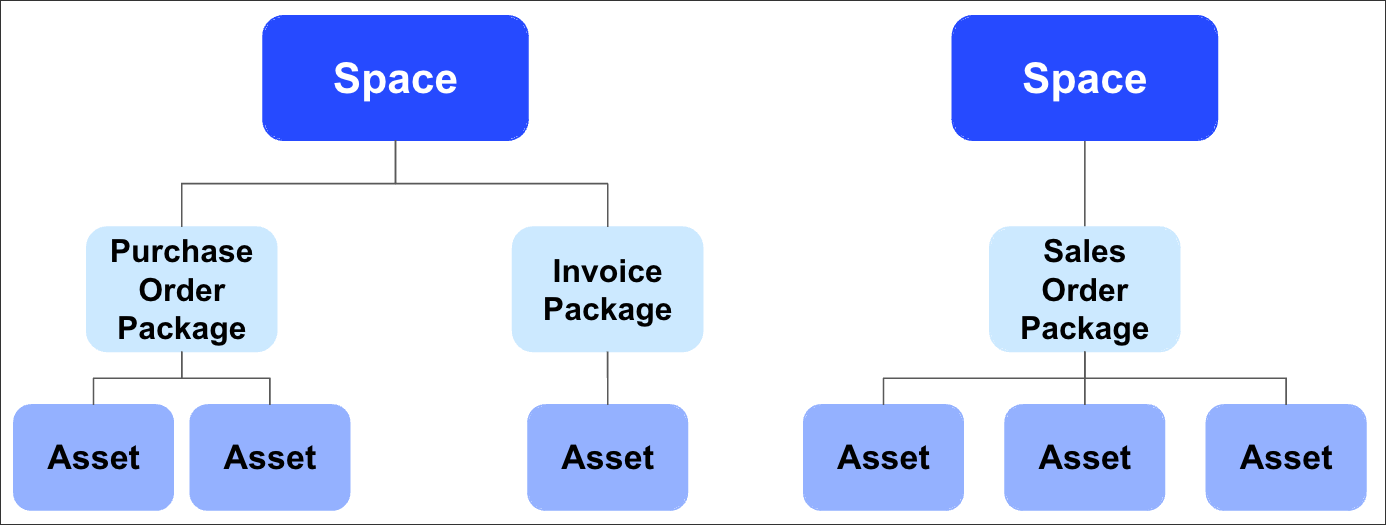
Key core elements that separate tailored software properties from generic out-of-the-box tools.. Source: TatvaSoft
4. You Don’t Truly Control Your Data
When your business relies entirely on a third-party app, you are at their mercy. If their servers crash, your business stops running. If they decide to double their prices or change their terms, you have to pay up because moving years of customer history to a new platform is an absolute nightmare.
Even worse, hackers love targeting big, generic software platforms because breaking into one system gives them access to data from thousands of companies. A private, custom setup allows you to control your own security and gives your clients actual peace of mind.
How to Stop Renting and Start Building (The Safe Way)
Ditching ready-made apps doesn't mean you have to rebuild everything overnight or spend a fortune from day one. The smartest approach is to take it step by step:
-
Find the biggest headache: Look at your daily operations this week. Where is your team losing the most hours? Start by automating just that one specific problem.
-
Build a simple version first (MVP): Create a basic, working version of your tool that solves that main issue perfectly. To see how this works in real life, read our quick breakdown on how we prototype ideas Tech Reader about MVPs
-
Expand over time: Once the core tool is running smoothly, you can add more features—like custom reports or client portals—until you have completely replaced those expensive monthly subscriptions.
The Takeaway
Ready-made apps are fine when you are just starting out on day one with a zero budget. But if you are trying to scale an established business, trying to squeeze your unique workflows into a generic software box will only hold you back.
Stop paying rent for your digital infrastructure.
If you are tired of rising subscription bills for software that only does half of what you need, let’s build something that actually works for you. Contact Us / Consultation Drop us a line today for a casual, no-pressure chat about your tech setup.


