
Introduction
If you're researching the cost of a custom CRM in the UK, you've probably noticed one thing already: there isn't a single price that fits every business.
One agency might quote a few thousand pounds, while another estimates tens of thousands for what appears to be a similar project. At first glance, this can be confusing. In reality, the cost depends on your business requirements, workflow complexity, integrations, reporting needs, and the level of automation you want.
For many small and medium-sized businesses, ready-made CRM platforms work well initially. However, as businesses grow, they often realise that generic software doesn't always match the way their teams actually work. That's where a custom CRM solution becomes a smarter long-term investment instead of another monthly software subscription.
If you're planning to invest in a custom CRM, it's also important to understand how a software project is planned and developed before requesting quotations. Our Complete Software Development Guide explains the entire process, from requirement gathering to deployment, helping you make more informed technology decisions.
How Much Does a Custom CRM Cost in the UK?
One of the first questions businesses ask is, "How much does a custom CRM cost?" The answer depends on the size of your business, the features you need, and how much customization is required.
Unlike off-the-shelf CRM platforms that charge monthly subscription fees, a custom CRM is built specifically for your business processes. While the initial investment is usually higher, many businesses find that a tailored solution reduces manual work, improves productivity, and eliminates ongoing licensing costs over time.
| CRM Type | Estimated Cost | Typical Development Time |
|---|---|---|
| Basic CRM | £2,000 – £5,000 | 3–5 Weeks |
| Small Business CRM | £5,000 – £15,000 | 5–8 Weeks |
| Advanced CRM | £15,000 – £30,000 | 8–14 Weeks |
| Enterprise CRM | £30,000 | 3–6 Months |
These figures are only estimates. The final cost depends on project scope, integrations, security requirements, reporting features, and future scalability.
Why Do CRM Prices Vary So Much?
Many business owners compare two quotations and wonder why one agency charges £4,000 while another quotes £20,000 for what appears to be the same project.
The reason is simple.
Every CRM is different.
A basic system may only manage contacts and sales opportunities, whereas a more advanced CRM can include:
- Sales pipeline management
- Workflow automation
- Customer portals
- Invoice generation
- AI-powered lead scoring
- Third-party integrations
- Custom reporting dashboards
- Multi-user access with role-based permissions
The more functionality you require, the more time is needed for planning, development, testing, and deployment.
Is a Custom CRM Worth the Investment?
For many growing businesses, the answer is yes, especially when existing software no longer supports day-to-day operations.
A custom CRM can help you:
- Reduce repetitive manual tasks
- Centralize customer information
- Improve sales tracking
- Automate routine workflows
- Scale your business without changing platforms
Instead of paying monthly subscription fees for features you never use, a custom CRM is built around your exact business requirements. Over the long term, this often delivers better operational efficiency and a higher return on investment.
If you're still deciding whether your business needs a CRM or a complete business management platform, read our ERP vs CRM guide to understand the key differences before investing in a custom solution.

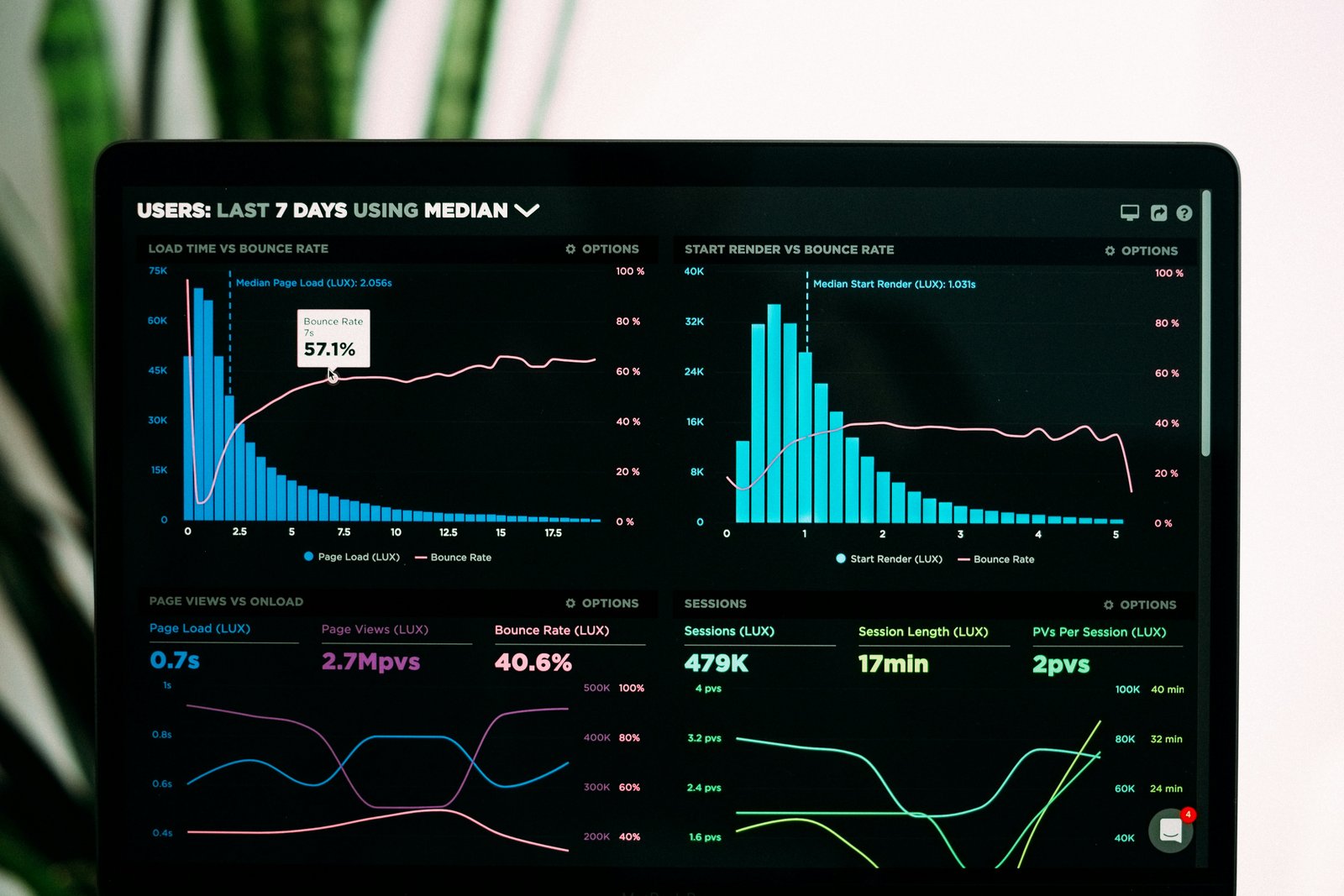
Custom CRM development cost breakdown for UK businesses
Factors That Affect Custom CRM Development Cost
The price of a custom CRM isn't determined by business size alone. Two companies with the same number of employees can receive completely different quotations because their workflows, integrations, and feature requirements are different.
Instead of focusing only on the final price, it's better to understand what you're actually paying for. The following factors have the biggest impact on custom CRM development cost.
1. Project Scope and Features
The more features your CRM includes, the more time it takes to design, develop, test, and deploy.
A basic CRM may only require:
- Contact management
- Lead tracking
- Sales pipeline
- Task management
A more advanced CRM may include:
- Customer portal
- Quote and invoice management
- AI-powered automation
- Custom dashboards
- Advanced reporting
- Multi-branch management
- Document management
Every additional module increases development effort, so defining your priorities early helps control costs.
2. Third-Party Integrations
Most businesses don't use a CRM in isolation.
They often need it to connect with tools such as:
- Google Workspace
- Microsoft 365
- Xero
- QuickBooks
- Stripe
- Mailchimp
- WhatsApp Business
- Payment gateways
Each integration requires planning, API development, testing, and ongoing maintenance, which directly affects the overall project budget.
3. Workflow Automation
One of the biggest advantages of a custom CRM is automation.
Instead of manually assigning leads or sending follow-up emails, the CRM can automate repetitive tasks and reduce human error.
Examples include:
- Automatic lead assignment
- Follow-up email sequences
- Task reminders
- Quote generation
- Customer notifications
- Approval workflows
Although automation increases development time, it often saves hundreds of working hours in the long run.
If you're exploring ways to reduce manual work across your business, our Business Automation Solutions Guide explains how automation improves efficiency, productivity, and day-to-day operations.
4. User Roles and Permissions
A CRM used by a small sales team is much simpler than one used by multiple departments.
Many businesses require different access levels for:
- Administrators
- Sales teams
- Managers
- Customer support
- Finance teams
Creating secure role-based access requires additional development and testing, especially for businesses handling sensitive customer information.
5. Data Migration
If you're replacing an existing CRM or moving away from spreadsheets, your historical data also needs to be migrated.
The complexity depends on:
- Data quality
- Duplicate records
- Number of existing systems
- File formats
- Data validation requirements
Clean, well-organised data is easier and more affordable to migrate than data spread across multiple disconnected systems.
6. Security and Compliance
Customer data is one of your business's most valuable assets, so security should never be treated as an optional feature.
Depending on your industry, your CRM may require:
- Secure authentication
- Two-factor authentication (2FA)
- Role-based permissions
- Audit logs
- Data encryption
- GDPR-ready data handling
Adding these features increases development effort but helps protect sensitive information and supports long-term compliance.
Learn more about protecting enterprise applications in our guide on Securing Next.js Architecture for Enterprise ERP & CRM.
Key Takeaway
There's no fixed price for a custom CRM because every business has different goals, workflows, and technical requirements. The best approach is to identify the features your team genuinely needs today while leaving room for future growth. A well-planned CRM is more than just software. It's an investment in improving productivity, customer management, and long-term business efficiency.
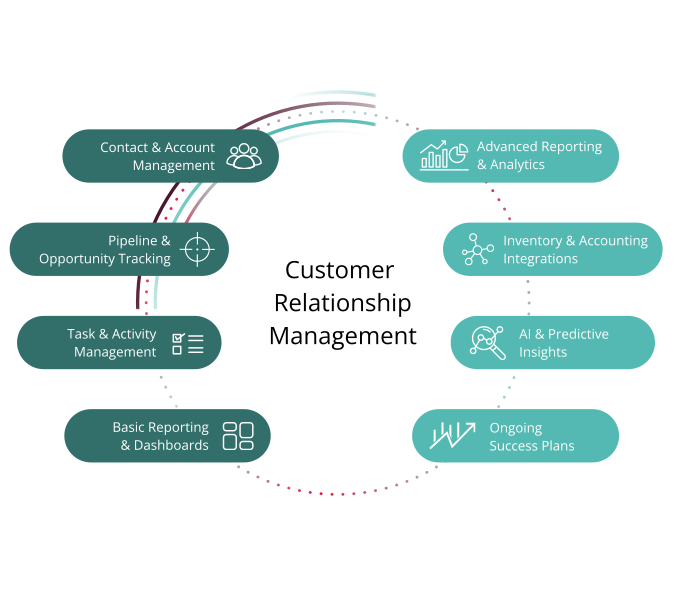
Factors affecting custom CRM development cost in the UK
Custom CRM vs Off-the-Shelf CRM: Which Offers Better Value?
When businesses start looking for a CRM, one of the biggest decisions is whether to choose an off-the-shelf CRM or invest in a custom CRM solution.
Off-the-shelf CRM platforms are designed for a wide range of businesses and can be deployed quickly. They usually work well for startups or companies with straightforward sales processes. However, as businesses grow, they often discover that standard software doesn't fully support their workflows, reporting requirements, or integrations.
A custom CRM, on the other hand, is built around the way your business already operates. Instead of changing your processes to fit the software, the software is designed to fit your business.
| Feature | Custom CRM | Off-the-Shelf CRM |
|---|---|---|
| Business Fit | Built around your workflow | Generic features for many businesses |
| Initial Cost | Higher | Lower |
| Monthly Subscription | Usually No | Yes |
| Customisation | Unlimited | Limited |
| Third-Party Integrations | Fully tailored | Depends on the platform |
| Scalability | High | Depends on licensing and platform limits |
| Data Ownership | Full control | Vendor-controlled environment |
| Best For | Growing businesses with unique processes | Small businesses with standard requirements |
When Should You Choose an Off-the-Shelf CRM?
A ready-made CRM is often a good choice if you:
- Need a solution quickly
- Have a limited budget
- Have a small sales team
- Use standard sales workflows
- Don't require complex integrations
Many businesses successfully start with platforms like HubSpot, Zoho, or Pipedrive before moving to a custom solution as they grow.
When Does a Custom CRM Make More Sense?
A custom CRM becomes a better investment when your business has outgrown generic software.
You should consider a custom CRM if:
- Your team relies on manual workarounds
- You need industry-specific workflows
- Multiple systems need to be integrated
- Subscription costs continue to increase
- You require advanced reporting and automation
- Your business plans to scale over the next few years
Rather than paying for features you never use, a custom CRM focuses only on the functionality that adds value to your business.
If you'd like to see how a tailored CRM can improve efficiency in a real business environment, explore our AI CRM Automation Case Study, where we explain how a custom solution helped streamline lead management and automate repetitive business processes.
Think Beyond the Initial Cost
Many businesses only compare the upfront development cost.
However, the total cost of ownership also includes:
- Monthly subscription fees
- Additional user licences
- Premium add-ons
- Integration costs
- Training
- Future customisation
While an off-the-shelf CRM may be more affordable initially, a custom CRM can provide better long-term value for businesses with complex workflows and growing teams.
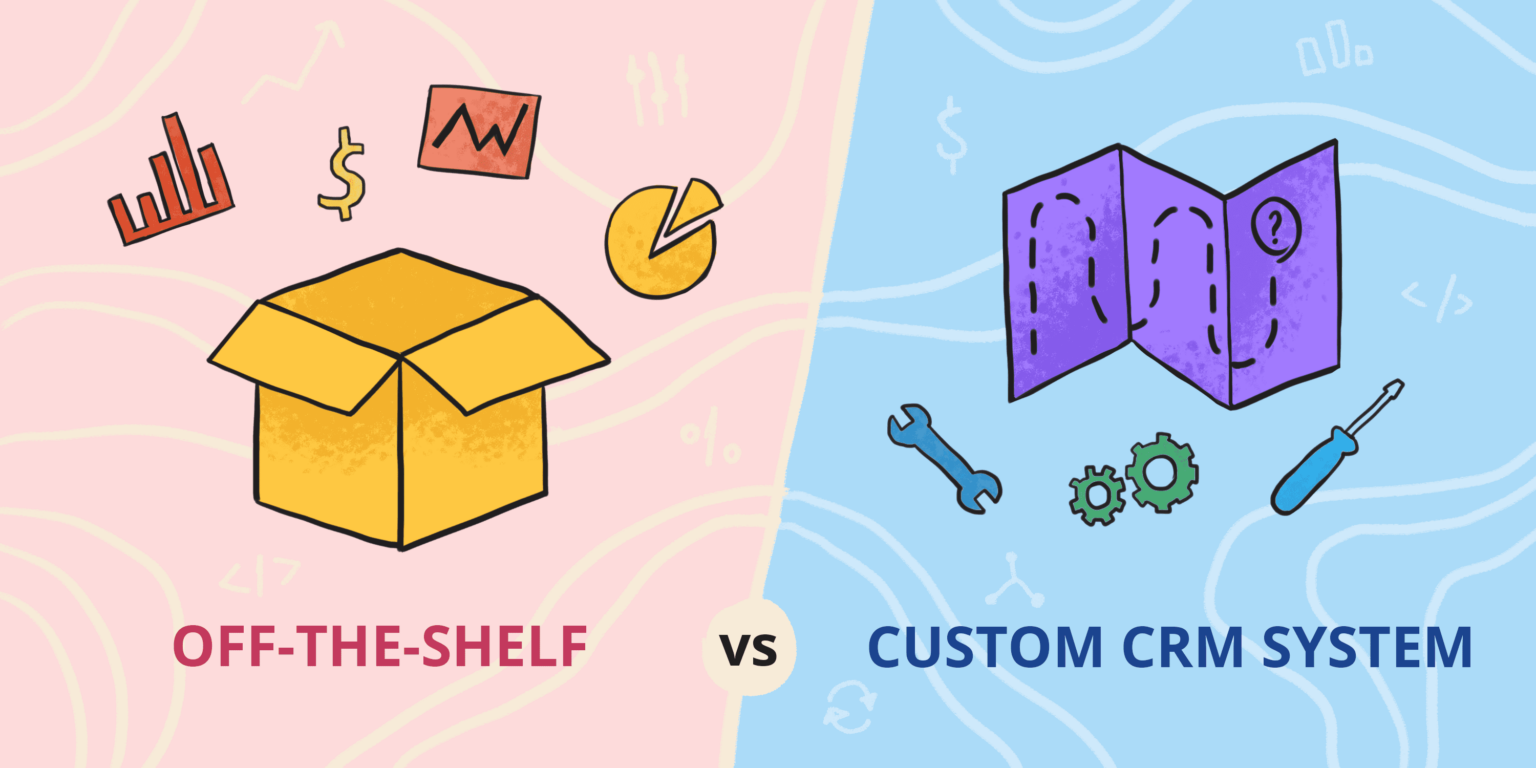
Custom CRM vs off-the-shelf CRM comparison for growing businesses
Hidden Costs to Consider
The initial development cost is only one part of your investment. To keep your custom CRM secure, reliable, and ready for future growth, it's important to plan for a few ongoing expenses. Factoring these into your budget helps you avoid unexpected costs later.
Common Ongoing Costs
- Cloud Hosting – Monthly hosting and secure data storage.
- CRM Maintenance – Security updates, bug fixes, and performance improvements.
- Data Migration – Moving customer records from spreadsheets or another CRM.
- Team Training – Helping employees adopt the new system quickly.
- Future Upgrades – Adding new features as your business grows.
| Cost Area | Why It Matters |
| CRM Hosting | Keeps your system secure and available |
| Maintenance & Support | Protects performance and security |
| Data Migration | Ensures accurate customer records |
| User Training | Improves CRM adoption |
| Future Enhancements | Supports long-term business growth |
Instead of focusing only on the custom CRM development cost, consider the total CRM ownership cost over the next three to five years. A well-maintained CRM often delivers greater long-term value than a cheaper solution that requires frequent replacements or costly workarounds.
Businesses planning long-term growth should also explore our Business Automation Solutions Guide to learn how automation can reduce operational costs and improve productivity.
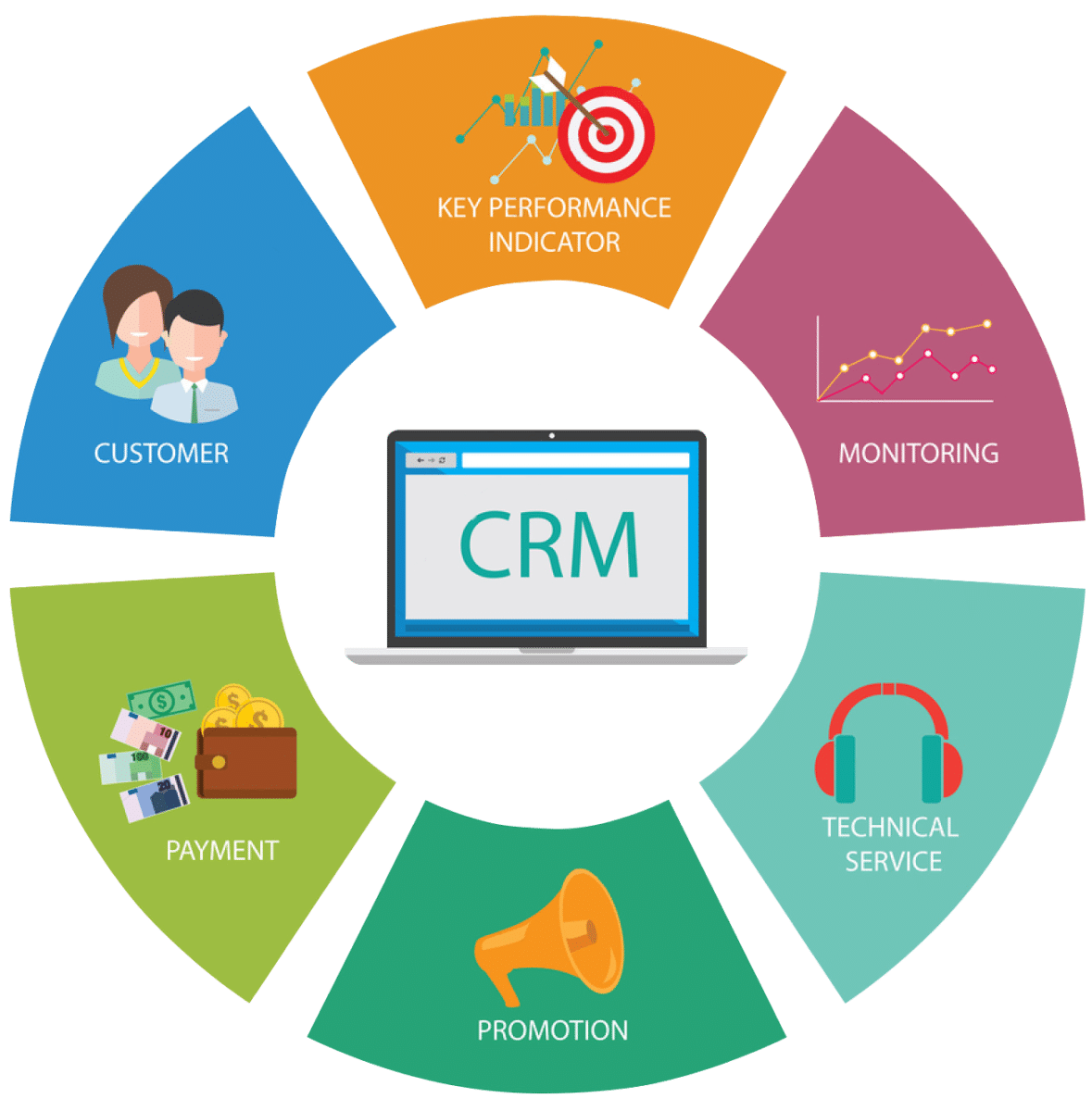
Ongoing custom CRM costs including hosting, maintenance and future upgrades
Final Thoughts
Choosing the right CRM isn't just about finding the lowest price. It's about investing in a solution that supports your business today while giving you the flexibility to grow in the future.
If your current system relies on spreadsheets, manual processes, or disconnected tools, a custom CRM can help centralize customer information, automate repetitive tasks, and improve overall business efficiency. By understanding the factors that influence custom CRM development cost, you can make a more informed decision and choose a solution that delivers long-term value instead of short-term savings.
If you're still comparing different business software solutions, our ERP vs CRM guide explains which option is best for different business needs before you invest in a custom platform.
Ready to Build a Custom CRM?
Whether you're replacing spreadsheets, upgrading from an existing CRM, or planning a completely new business management system, choosing the right development partner is just as important as choosing the right technology.
At InnoFeature Labs, we build secure, scalable, and fully customized CRM solutions designed around your business processes, helping you improve productivity, automate workflows, and support long-term growth.
About the Author
Syed Fahad Ali is the Founder & CEO of InnoFeature Labs, a software development company specializing in custom software, AI-powered solutions, business automation, web applications, mobile app development, and cloud technologies. He works with startups, SMEs, and growing businesses to design scalable digital solutions that solve real operational challenges. Through the InnoFeature Labs Tech Reader, Syed shares practical insights on software development, CRM and ERP systems, AI, cybersecurity, and emerging technologies to help businesses make informed technology decisions.


